
Winter Solstice 2026: What the Longest Night Is For
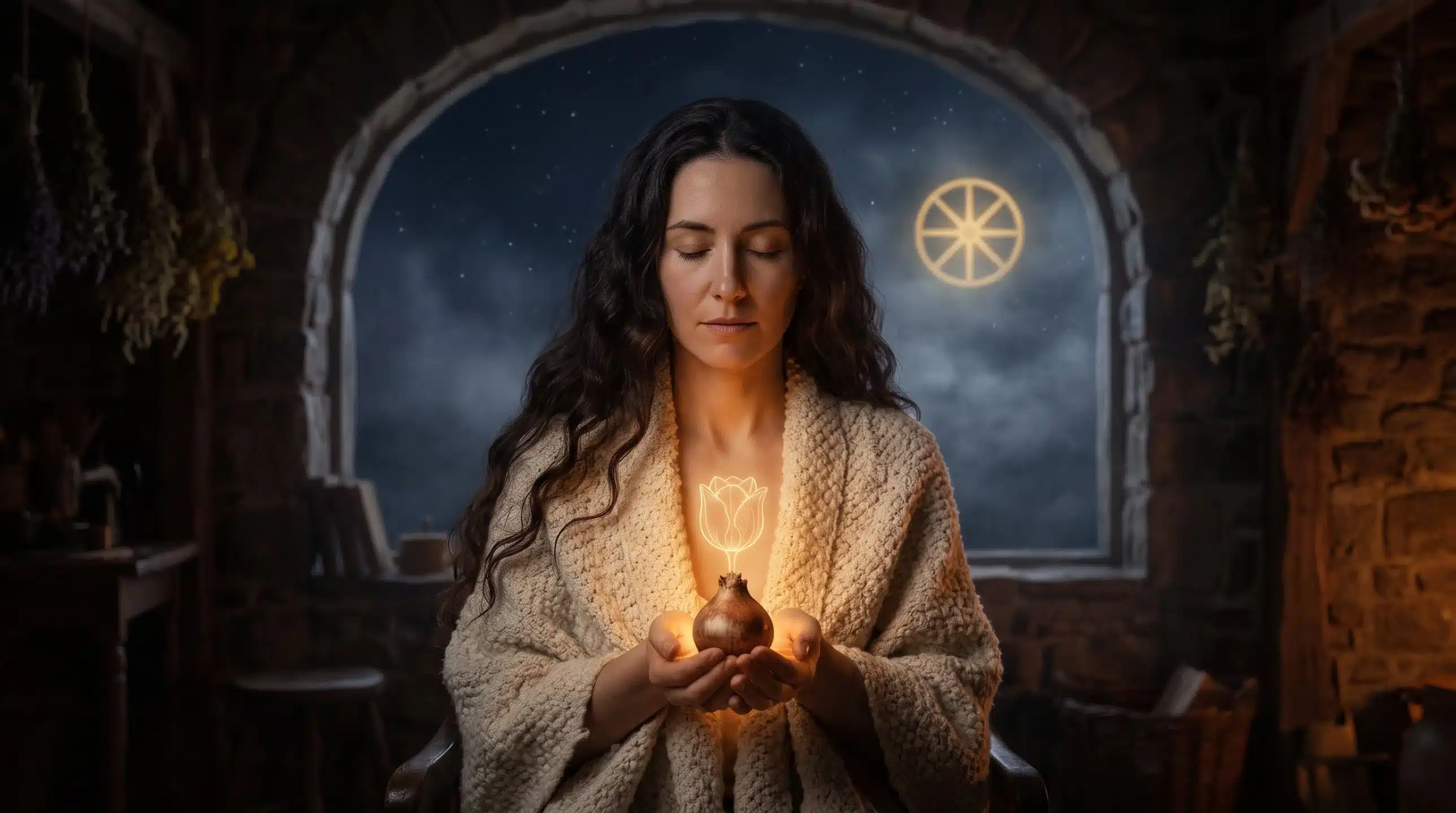
What would you do with a night that lasted sixteen hours? On Monday, December 21, that question becomes real for everyone living north of the equator. In London the sun will be up for less than eight hours. In New York the dark will stretch to nearly fifteen. And many people already know their answer, because the body has been giving it for weeks: sleep longer, go out less, eat something warm, and keep the lamps low.
The winter solstice arrives at 20:50 UTC, which is 3:50 in the afternoon on the East Coast of the US and 8:50 in the evening in the UK. From that moment the light begins to return, a few seconds at a time. Before it does, the year asks for something most of our calendars have no room for. It asks for a pause.
When the Sun Stands Still
The word solstice comes from the Latin sol, meaning sun, and sistere, meaning to stand still. If you watched sunrise from the same window every morning through December, you would see the point where the sun clears the horizon creep further south each day, then slow, then appear to hold its place for several mornings in a row before it begins to travel back.
People who lived close to the land watched this happen for thousands of years, and they built for it. At Newgrange in Ireland, a passage tomb older than the pyramids at Giza, a small opening above the entrance lets the rising sun travel down a long stone passage and light the inner chamber for around seventeen minutes on the mornings around the solstice. Someone more than five thousand years ago cared enough about the return of the light to shape stone around it.
What moves me about that chamber is that it sits in darkness for the rest of the year. Its whole purpose is fulfilled by a few minutes of light arriving in the deepest part of winter. The builders understood the solstice as a threshold, the bottom of the year’s long exhale, the moment just before the turn. The old midwinter feasts gathered around it for the same reason. The dark had been met, and the light was coming home.
Inside the body, this threshold tends to show up as a pull toward rest. Late afternoon arrives and the mind dims along with the sky. Plans made in October feel heavier than they did when you made them. If you noticed that inward pull beginning well before the frost, the way the dark reaches you before the cold does describes how it starts. The solstice is where it reaches its lowest point.
What a Tulip Bulb Knows About the Cold
A tulip bulb planted in autumn spends the winter doing what looks like nothing at all. It sits in cold soil, out of sight, through frost and short days. Gardeners know that this cold spell is a requirement. A tulip needs roughly twelve to sixteen weeks of chill before it can flower properly, and a bulb kept warm all winter will often send up leaves in spring with no bloom among them. The flower is being prepared in the dark. The cold is part of the recipe.
I find this one of the kindest pictures for what the solstice season asks of us. So much of modern life treats December as a sprint: finish the year, hit the targets, buy, host, travel, celebrate, review, plan. Then January arrives with its resolutions, asking for a bloom from a bulb that never had its winter. Many people wonder why their fresh starts fade by February. Often the answer is that nothing had the chance to rest long enough to root.
Energetically, I understand the weeks around the solstice as a time when the field naturally draws inward, toward the center of the chest and the deeper layers of the body, the way a bulb holds next spring’s flower folded tightly inside itself. In my own teaching I call that inner place the Inner Central Sun, a light at the heart of the heart chakra that keeps burning whatever the season outside is doing, and I explore it more fully in the Rainbow Body and the Golden Ray. The longest night is a lovely time to sit with that light, because there is so little competing with it from outside.
In sessions through December, a common pattern is that clients arrive apologizing. They apologize for being tired, for having little to report, for feeling slower than they think they should. Then they lie down, and within minutes their breathing drops low into the belly and the room goes very quiet. What I sense in those sessions is a field quietly busy with its own work, the way a bulb is busy underground. When people let themselves have that rest, they tend to return in the new year clearer, and with far more to say.
The urge to cancel, to stay home, to spend whole evenings without company, often belongs to this part of the cycle, and the need for so much alone time while you heal follows a similar logic. If your own healing has felt sluggish this season, why healing can feel so slow may help you read that pace with more patience. For some people, the solstice dark also touches something heavier, a season of grief or a loss of meaning. That deeper passage has its own map in the dark night of the soul, and it deserves its own gentleness.
If you live in Australia, New Zealand, South Africa or South America, December 21 brings your longest day, and the meaning of the summer solstice speaks to where your light is right now.
One Candle, One Question
On the evening of December 21, or any evening that weekend, turn off the overhead lights an hour after sunset and leave one candle or a single lamp burning. Sit somewhere you can be undisturbed for twenty minutes. Rest one hand on your chest and one low on your belly, and let your breath find its own pace.
Bring to mind the year that is ending. Let it pass in front of you slowly, the way you might walk back through the rooms of a house you are about to leave. Notice which rooms still feel warm and which ones you are glad to close the door on. Take your time with this. Some rooms will surprise you.
When you feel ready, ask one question: what is resting in me right now that will flower later? Let the answer come as a word or an image. If you have a pot, some soil and a bulb, plant it that evening with your answer in mind and set it somewhere cool and dark. Forced bulbs need their chill too, so a cold garage, a shed, or a fridge drawer kept away from fruit will do. In a few months the flower that comes up will carry the memory of this night. If you have no bulb, speak the word aloud once and let it go.
Then blow out the candle and sit for a minute in the full dark. This is the part people tend to rush. Stay long enough to feel the quiet settle in your chest. Tomorrow’s day will be a few seconds longer than today’s.
So here is what the longest night is for. It belongs to the part of you that has been working underground all year without applause, folding next spring’s flower into a small, quiet shape. Give it the cold and the dark and the hours it asks for. The light is already on its way back, a few seconds at a time, and the rest you take now is how you will be ready to meet it.

Ahtayaa Leigh
Energy Healer & Wisdom Holder
Master Energy Healer, Vibrational Sound Healer, and Esoteric Wisdom Teacher, Ahtayaa founded the IICT-accredited Academy of Energy Healing in 2015, now a premier authority in energy healing certification and transformational energy body activations.
She is the creator of the Golden Ray Initiations, a groundbreaking vibrational healing system expanding the traditional 7-chakra system into the full Rainbow Body energy architecture, guiding you from limitation to wholeness through sacred geometry, light, sound, and profound guided activation.
Her mission is to awaken the full potential of the human soul, individually and collectively, helping thousands around the world experience lasting transformation and a renewed sense of purpose.

Discover Your Soul Mission Archetype
Which Soul Mission Archetype is guiding your path of awakening?
Take the 2-minute quiz to uncover yours and begin understanding your soul’s unique blueprint.


